
GoRapidDNA Summary
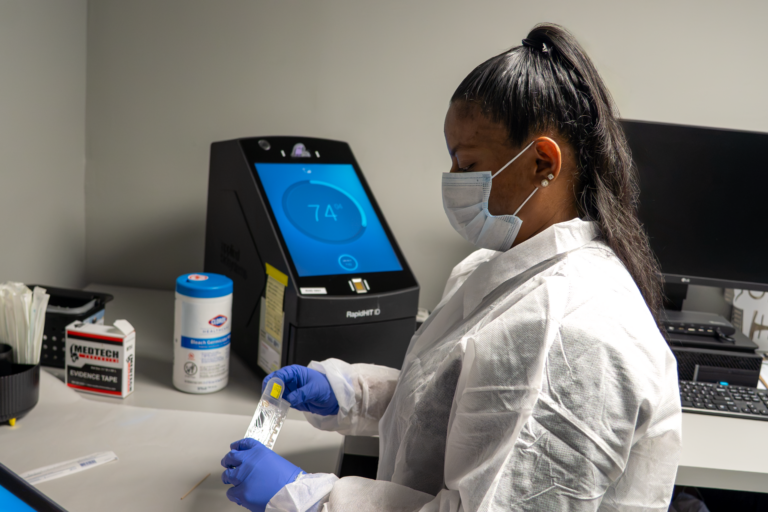
Survivor and advocate Ashley Spence, founder of the DNA Justice Project and author of Silent Witness, is continuing to push for broader use of Rapid DNA technology as Texas prepares to launch a new pilot program in county jails. Spence—whose attacker was identified years after her 2003 assault through DNA evidence-shared her story with lawmakers to emphasize how long victims can wait for justice and why faster forensic tools matter. The Texas Department of Public Safety will begin testing Rapid DNA at booking facilities in Williamson and Montgomery counties, where felony arrestees’ cheek swabs can be analyzed in under two hours rather than waiting months for traditional lab processing. Officials say the goal is to generate investigative leads before suspects are released, helping link arrestees to unsolved crimes sooner. While Rapid DNA results are not used directly in court and must be confirmed by accredited labs, advocates like Spence believe the technology can significantly shorten investigative timelines and help deliver answers to victims faster.